Overview
Railyard Planning and Optimization Take Center Stage in 2025
Railyard engineering in 2025 emphasizes operational efficiency, safety, and infrastructure optimization as owners focus on improving capacity within existing facilities.
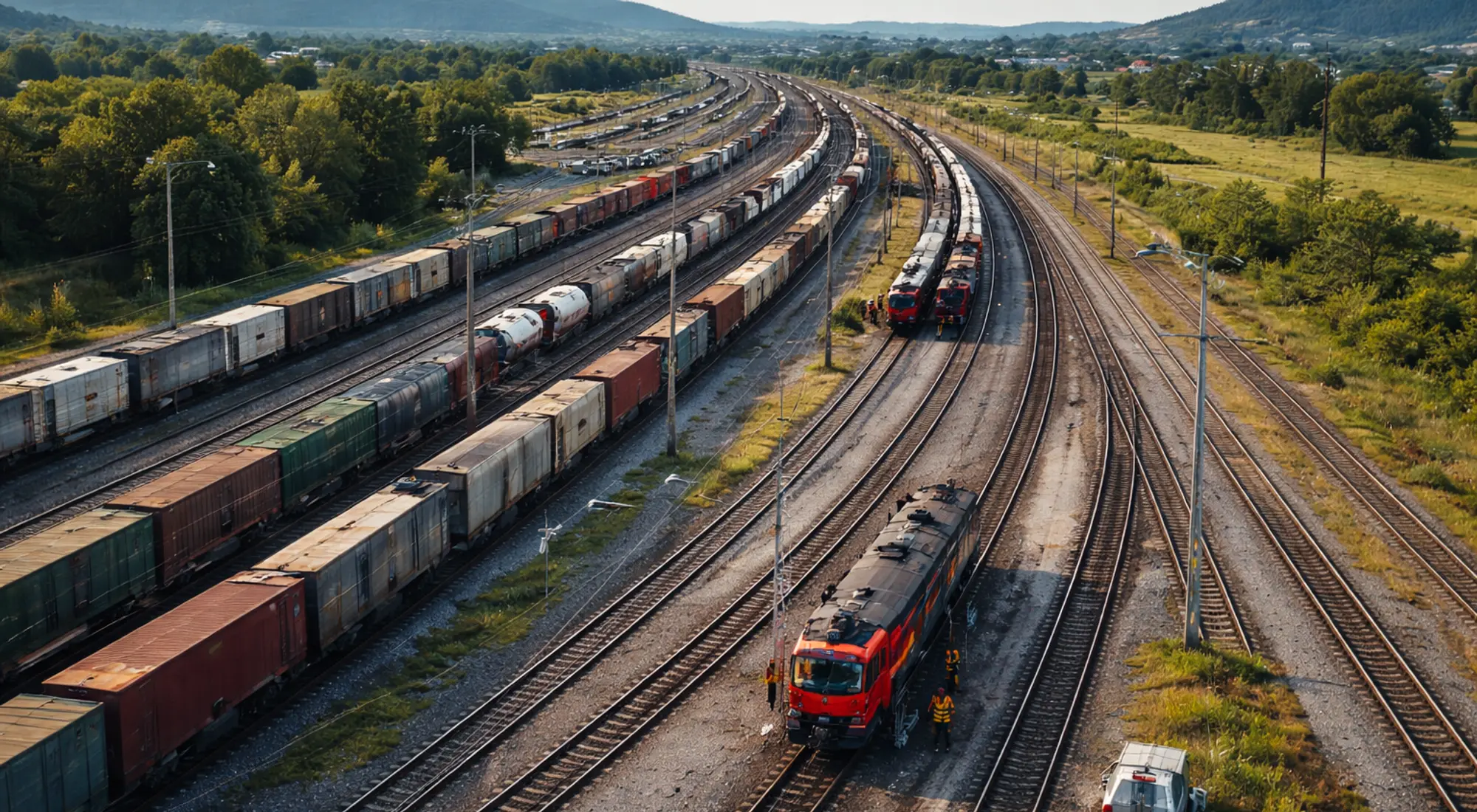
Railyard Planning and Optimization Take Center Stage in 2025
Railyards across North America are entering 2025 under increasing pressure to handle higher volumes while maintaining safety, reliability, and regulatory compliance. As freight patterns continue to evolve, railyard owners are placing greater emphasis on operational clarity and long-term performance.
Rather than focusing solely on expansion, many projects this year are centered on improving the efficiency and resilience of existing facilities.
Capacity Improvements Through Optimization
In 2025, railyard capacity improvements are increasingly achieved through optimization rather than large-scale expansion. Track realignments, improved switching layouts, and targeted yard reconfigurations are being used to reduce congestion and improve train flow.
These improvements allow facilities to increase throughput while minimizing disruption to ongoing operations and reducing construction risk.
Safety and Regulatory Considerations
Safety continues to be a primary driver in railyard design and engineering. Regulatory expectations around worker safety, hazardous materials handling, and access for inspection and maintenance are influencing project scope and layout decisions.
Clear separation of operational zones, improved visibility, and constructible designs are critical to supporting safe, efficient day-to-day operations.
Data-Driven Planning and Engineering
Planning and analysis tools are playing a larger role in railyard projects. Operational modeling, simulation, and phased construction planning are being used to evaluate alternatives before construction begins.
This approach allows owners to better understand trade-offs between cost, schedule, and performance — and helps reduce uncertainty early in the project lifecycle.
Designing for Long-Term Performance
Railyard infrastructure is increasingly being designed with long-term performance and resilience in mind. Drainage, track durability, and maintainability are key considerations, particularly for facilities supporting industrial, energy, and bulk commodity movements.
Owners are prioritizing solutions that support future operational changes without requiring frequent redesign or extended shutdowns.
Looking Ahead
As 2025 continues, railyard engineering projects will remain focused on delivering clarity, safety, and operational certainty. Facilities that invest in thoughtful planning and constructible designs are best positioned to adapt to evolving freight demands.
Behrman Engineering continues to support railyard projects with practical engineering solutions that improve efficiency, safety, and long-term reliability.